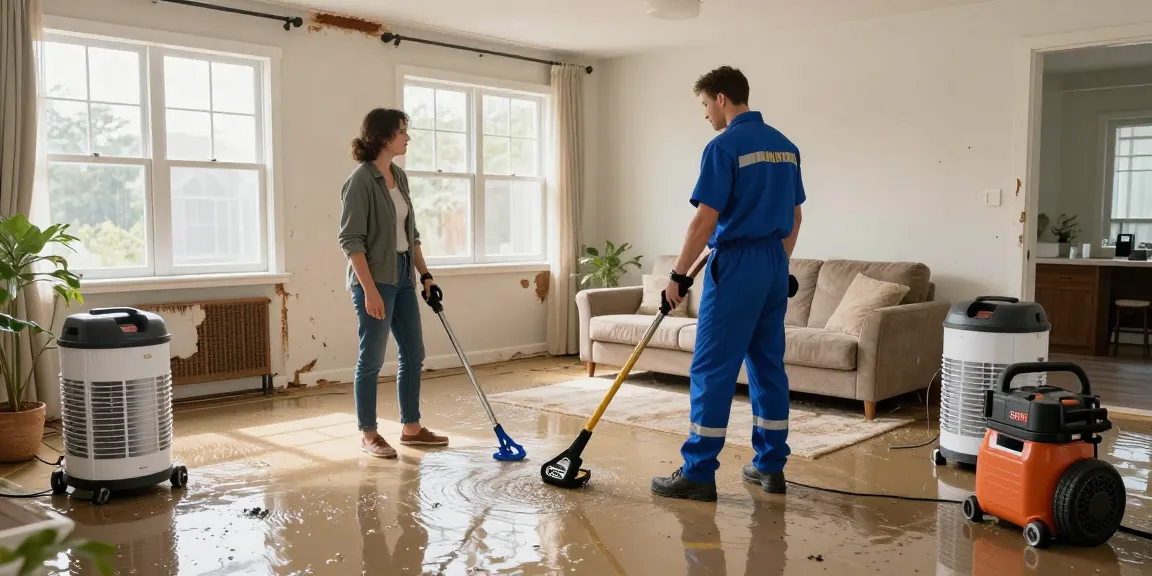
Understanding Water Damage Restoration Vancouver
Water damage is a serious concern for homeowners and property managers alike, particularly in Vancouver where significant rainfall and coastal humidity create unique risks. When faced with water intrusion, whether from a broken pipe, a leaky roof, or flooding, the urgency of acting quickly cannot be overstated. Immediate response is not just beneficial, but often necessary to prevent further damage and costly repairs. For those seeking effective solutions, Water Damage Restoration Vancouver provides comprehensive insights into the restoration process and services available to mitigate damage efficiently.
What is Water Damage Restoration?
Water damage restoration refers to the process of cleaning, drying, and restoring a property that has been affected by water. This can involve a range of activities, including removing water, replacing damaged materials, and mitigating the risk of mold growth. Restoration technicians are trained to assess the situation and take appropriate actions that may include emergency water extraction, drying, and reconstruction.
Importance of Immediate Response to Water Damage
Time is critical when dealing with water damage. Delaying restoration efforts can lead to worse outcomes, including extensive damage to the structure, increased mold growth, and higher recovery costs. According to experts, mold can start to grow within 24 to 48 hours of water exposure, making prompt action essential. Engaging with IICRC-certified professionals can significantly reduce the risks associated with delayed responses.
Common Causes of Water Damage in Vancouver Homes
Vancouver homeowners face various potential causes of water damage, including:
- Burst Pipes: These can rapidly release large volumes of water into your home.
- Roof Leaks: Aging roofs are prone to leaks, especially during heavy rain.
- Flooding: Natural disasters or backed-up drainage systems can cause severe flooding.
- Appliance Leaks: Dishwashers and washing machines are common sources of water leaks.
- Basement Flooding: Groundwater can seep into basements, particularly in low-lying areas.
Early Signs of Water Damage and What to Look For
Identifying Water Intrusion in Your Home
Recognizing the early signs of water damage can save homeowners significant costs in repairs. Watch for:
- Water Stains: Discoloration on walls or ceilings may indicate hidden leaks.
- Dampness: A musty smell or damp spots can signal moisture issues.
- Peeling Paint or Wallpaper: These can be signs of trapped moisture beneath the surface.
How to Recognize Mold Growth Symptoms
Mold can pose health risks and exacerbate allergies. Signs of mold growth include:
- Visible mold patches or black spots on surfaces.
- A persistent musty odor in areas of your home.
- Fungal growth in corners, under carpets, and on wooden surfaces.
Preventative Measures for Homeowners
Homeowners can take several proactive steps to minimize the risk of water damage:
- Regularly inspect and maintain the roof, gutters, and downspouts.
- Check plumbing fixtures and appliances for leaks or wear.
- Consider installing a sump pump in areas prone to flooding.
The Water Damage Restoration Process Explained
Initial Assessment and Damage Control
The first step in the water damage restoration process is a thorough assessment of the situation. Trained technicians will identify the source of the water, evaluate damage, and determine the best course of action to mitigate further issues. Key actions taken during this phase may include:
- Securing the area and ensuring safety measures are in place.
- Stopping the source of water intrusion.
- Documenting damage for insurance purposes.
Water Extraction and Drying Techniques
Using industrial-grade pumps and dehumidifiers, water extraction is conducted swiftly to minimize damage. Sophisticated drying techniques, including the use of air movers and thermal imaging cameras, help ensure that all moisture is eliminated to prevent mold growth. Continuous monitoring is involved to ensure effective drying.
Repairing and Restoring Your Home’s Integrity
Once the space is thoroughly dried, repairs can begin. This may include replacing drywall, flooring, or insulation that has been damaged. Restoration aims to return your property to a safe and comfortable state, which often involves construction work. Proper restoration not only enhances the aesthetics of your home but also ensures its structural integrity.
Choosing the Right Water Damage Restoration Company in Vancouver
What Qualifications to Look For in a Restoration Expert
When selecting a restoration company, consider the following qualifications:
- IICRC certification, which indicates that technicians have received standardized training.
- Positive customer reviews and references, indicating a company’s reliability.
- Availability of 24/7 services to address emergencies promptly.
Benefits of Hiring IICRC-Certified Technicians
Choosing IICRC-certified professionals ensures that the restoration process follows industry best practices. These technicians are equipped with the knowledge and experience to handle various types of water damage and are familiar with the latest technology and procedures in the field.
How to Compare Local Restoration Services
When comparing restoration services, look for companies that provide transparent pricing, a detailed explanation of their services, and a commitment to customer satisfaction. Additionally, inquire about their insurance claim support to streamline the restoration process.
Frequently Asked Questions about Water Damage Restoration
How quickly should water damage be addressed?
Water damage should be addressed within 24 hours to minimize long-term effects. Time is critical to prevent mold growth and further structural damage.
What types of equipment are used in water damage restoration?
Common equipment used during the restoration process includes:
- Industrial dehumidifiers and air movers.
- Extractors for water removal.
- Thermal imaging cameras for detecting hidden moisture.
Can water-damaged materials be restored or do they need replacement?
It depends on the extent of the damage. Many materials can be restored if addressed promptly; however, severely damaged items may need to be replaced.
Does insurance cover water damage restoration services?
Most homeowners' insurance policies cover water damage restoration, but it's crucial to verify the specifics of your coverage. Engaging a restoration professional who can assist with the claims process can be beneficial.
How is mold treated during the restoration process?
Mold remediation involves identifying and removing the mold source, cleaning the affected areas, and applying antimicrobial treatments to prevent future growth. This is typically done following water damage restoration to ensure a safe environment.